Green valleys, volcanic landscapes, and pristine lakes make Auvergne a haven for sustainable travellers. Eco-friendly campsites here blend comfort with respect for nature, offering solar-powered amenities, locally sourced foods, and minimal impact stays. Discover the region’s best green accommodations and practical tips for responsible camping, so you can immerse yourself in breathtaking scenery—while protecting the environment for future explorers.
Sustainable Camping Options in Auvergne: Fulfilling Eco-Friendly Travel Intent
Adventurers seeking eco-friendly camping Auvergne experiences often prioritize sites with proven sustainability efforts. With Cosycamping, camping in Auvergne, travelers encounter a model for responsible outdoor stays, where eco-conscious infrastructure, local biodiversity, and reduced impact are central to every visit.
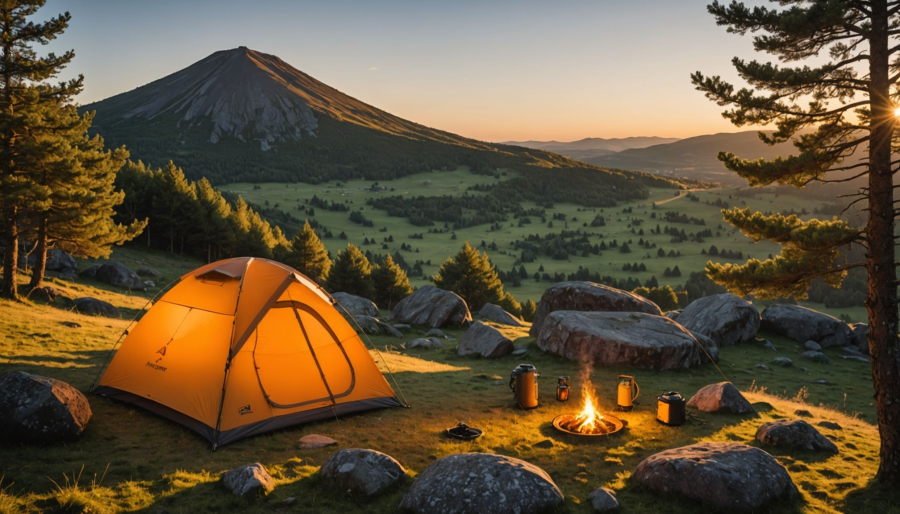
Key practices for sustainable camping in the region start with choosing campsites validated by eco certifications. These marks signal commitment to low-impact utilities, including renewable energy sources, compost toilets, and water-saving setups. Many sites limit single-use plastics, encourage sorting waste, and support guests in following strong Leave No Trace principles.
Auvergne’s landscape supports a range of green camping tips, such as using biodegradable products, respecting local habitats, and opting for organic camping gear. Campers are urged to tread lightly on native flora, use established trails, and minimize noise, preserving the serene environment for both wildlife and future guests.
Selecting such campsites means actively contributing to the preservation of natural resources while enjoying the unique volcanic plains and verdant forests of Auvergne.
Types of Eco-Friendly Campsites and Green Accommodations in Auvergne
Auvergne features a diverse selection of eco-friendly campsites designed to reduce environmental impact while connecting guests to nature. You’ll encounter organic farms where sustainable camping and eco camping practices are part of daily operations. Natural parks and forest-based campsites focus on protecting the area’s biodiversity, making use of local materials and renewable energy camping gear that help minimize carbon footprint and water consumption.
Eco-lodges and friendly campsites frequently hold eco-certifications, such as the European Ecolabel or Green Key. These labels indicate high standards in water saving, waste reduction, and environmentally friendly facility management. Campsites with these certifications often promote zero waste policies, composting, and sustainable camping gear for every camping trip.
When you select an eco-friendly campsite, expect solar-powered showers, compost toilets, and opportunities for eco camping activities that respect leave trace principles. Guests repeatedly mention the comfort of eco-friendly sleeping bags, reusable food containers, and low-impact campfire alternatives that make each camping trip both comfortable and responsible. Choosing ecological camping helps reduce impact environment and preserves Auvergne’s natural heritage for future adventures.
Must-Visit Auvergne Natural Parks for Responsible Camping
Eco camping in Auvergne thrives across volcanic landscapes and dense forests, with parks like Parc Naturel Régional des Volcans d'Auvergne and Parc Livradois-Forez setting the standard for sustainable camping. Nature-responsible camping here emphasizes minimal impact on the environment, supporting biodiversity and fostering a healthy balance with local ecosystems.
Inside these parks, eco friendly camping tips matter: use designated campsites to reduce impact on native flora and fauna. Only use sustainable camping gear—opt for a tent, sleeping bag, and camping gear that are durable and created from environmentally friendly materials to lessen your carbon footprint. Practice zero waste on your camping trip by packing reusable food containers, minimizing packaging, and composting organic waste.
When collecting water, always use established sources and minimize soap or chemical use to preserve water quality. Respect wildlife—observe from a distance and avoid anything that could disrupt natural behaviors. Remember the leave no trace principles: carry out all waste and leave your campsite untouched for the next visitor. Every action makes sure that the environment, campsites, and natural landscape remain vibrant for future campers.
Sustainable Camping Practices to Minimize Environmental Impact
Zero waste camping tips start with the reduction of single-use items. Choose camping gear like a reusable sleeping bag, stainless steel water bottles, and biodegradable camping products. Changing your campsite habits can significantly reduce your carbon footprint and overall environmental impact. Composting is essential for sustainable camping—set up a small compost container to handle food scraps, helping minimize waste and nourish the natural soil.
Eco friendly camping means being mindful about water conservation; use only what’s necessary for hygiene and cooking, and try to camp near eco-friendly campsites with effective water management. Take advantage of sustainable camping gear that uses solar-powered lighting or minimalist designs to further lessen your impact on the environment.
Follow trace principles across every trip—leave trace by packing out all garbage and ensuring waste is disposed of responsibly. Respect nature by picking campsites that allow ecological camping and by strictly adhering to friendly camping practices. These small efforts make a big difference when you seek to preserve the natural beauty for future camping trips and reduce ecological impact.
Environmentally Friendly Camping Equipment and Gear Recommendations
Choosing eco friendly camping gear reduces your trip’s impact environment and makes your adventure more responsible. Always select camping gear crafted with organic, recycled, or sustainable materials to minimize waste and lower your carbon footprint. Consider tents from eco-friendly tent options, made without harmful chemicals, and eco sleeping bag choices that use recycled insulation. Reliable zero waste camping gear, such as stainless steel food containers and reusable water bottles, help reduce single-use plastics at friendly campsites.
For energy needs, solar-powered camping gadgets—like solar lanterns or panels—let you charge devices sustainably during your camping trip. Renewable energy camping equipment not only preserves natural resources but also makes your campsite experience more comfortable and convenient.
Choose clothing and shelters designed for all seasons, using natural fibers or recycled materials to offer comfort while respecting nature. When you use eco camping sleeping bags and tents, you support the leave trace principles, continually lowering your camping trip’s environmental impact.
Adopt waste-reducing strategies—using compost bags, separating recyclables, and keeping organic food scraps out of landfills—so your ecological camping adventure leaves the environment as you found it.
Responsible Outdoor Activities and Eco Camping Adventures
Eco camping thrives when campers embrace sustainable outdoor activities that actively reduce their environmental impact. Begin your camping trip by selecting friendly campsites that are situated near natural trails—making hiking sustainably in Auvergne accessible. Choose paths marked for low-impact travel to help protect the environment and support the preservation of nature.
For mountain biking sustainably in Auvergne, use established routes to avoid damaging delicate flora and reduce ecological footprint. Always use eco-friendly camping gear, making sure your tent and sleeping bag are made from natural or recycled materials. Campsites that promote trace principles and zero waste approaches play a vital role—these friendly campsites often feature waste separation, composting facilities, and clean water stations.
Water conservation is essential. Make sure to bring a reusable bottle and minimize water use at the campsite. During your camping trip, follow environmentally friendly camping tips: never leave trace, store food securely to protect wildlife, and avoid single-use products.
Respect nature by observing local flora and fauna from a distance, and camp only in designated areas to reduce negative impact on the environment for a truly ecological camping experience.
Comparison of Sustainable Camping Options in Auvergne
| Feature | Details |
|---|---|
| Eco Certification | Sites often hold certifications like Green Key or European Ecolabel, ensuring high environmental standards |
| Energy Sources | Most campsites use solar-powered amenities, carbon-neutral energy options, and promote minimal impact utilities |
| Facilities & Practices | Includes compost toilets, water-saving setups, waste separation, and zero waste policies at certified sites |
Eco-friendly camping in Auvergne offers responsible outdoor experiences, promoting biodiversity and environmental preservation.
"Sustainable tourism ensures that future generations can enjoy the natural beauty of Auvergne just as we do today."
Food, Cooking, and Sustainable Dining While Camping
To reduce environmental impact during your camping trip, start by planning meals that emphasize organic food camping recipes and sustainably sourced camping food. Choose local produce, as this not only lessens your carbon footprint but also supports the area surrounding the campsite. Meal planning for eco camping is simpler with friendly camping tips, like selecting plant-based ingredients, which further minimize waste and impact on nature.
Use camping gear carefully chosen for eco friendly and sustainable camping. Opt for reusable containers and utensils, avoiding single-use plastics that often contribute to campsite waste. When cooking, select eco-friendly campfire or stove alternatives designed to limit emissions and conserve water, aligning with the leave trace principles and reducing both resource use and smoke.
Composting food scraps ensures zero waste by transforming leftovers into natural fertilizer for the environment. Campsites often provide composting facilities—make sure to check if your friendly campsites are equipped. Pack out non-compostable packaging and always leave trace by double-checking for any traces of waste after meals, preserving the ecological balance of your camping eco experience.
Seasonal Biodiversity and Unique Natural Attractions in Auvergne
Seasonal biodiversity at an Auvergne campsite is remarkable; the region showcases varied wildlife, lush forests, and striking volcanic formations. Spring brings blossoming flora and migratory birds, making it prime for eco camping enthusiasts eager to witness nature awakening. During summer, friendly campsites near volcanic landscapes offer opportunities to explore resilient plants and spot native mammals, amplifying the eco-friendly spirit of your camping trip.
Autumn introduces bursts of color in the forests, while certain water sources transform into serene natural hot springs—ideal for a sustainable camping experience rooted in nature’s rhythms. Photography thrives year-round; eco camping tips include using solar-powered gear and sticking to leave trace principles to reduce environmental impact and protect wildlife habitats.
Choosing a tent or sleeping bag made from sustainable materials diminishes your carbon footprint, aligning your camping gear with the leave no trace ethos. Always use marked trails, avoid waste, and make sure all food and water containers are eco friendly. This approach ensures your camping trip respects both the environment and the biodiversity that makes these campsites exceptional.
Travel and Access: Getting to Eco Campsites Sustainably
Using public transport, carpooling, or an electric vehicle greatly reduces the carbon footprint of your camping trip and minimizes the impact environment. Most eco friendly campsites in Auvergne are accessible by train or coach, making public transport to eco campsites a practical option that supports sustainable camping. For those preferring flexibility, carpooling platforms or electric vehicles help eco campers reduce emissions and align with eco friendly and sustainable camping principles.
A green-friendly approach also extends to the use of camping gear—choose lightweight, eco friendly gear and a reusable water bottle, ensuring minimal waste and less overall environmental impact during your trip. Friendly campsites may offer electric charging points and detailed maps highlighting natural access points and low-impact routes.
Friendly camping and ecological camping are heightened when you engage in slow travel, using local buses or bikes to reach your campsite, integrating with the local culture, and reducing your carbon footprint. Always make sure to follow leave trace principles, tread lightly on nature, and use every camping trip to respect and preserve the natural environment.
Continuing Your Eco Journey: Education, Community, and Local Impact
Sustainable camping education directly boosts your impact environment knowledge, empowering every camping trip to align more closely with eco camping and environmentally friendly principles. Campsites across Auvergne often organize workshops on zero waste, eco-friendly camping gear, and trace principles to keep nature pristine. Participation in these sessions helps reduce water use, minimize waste, and adopt carbon footprint reduction strategies, making each camping eco adventure more sustainable.
Join eco camping community groups to unite with others passionate about ecological camping. These groups discuss sustainable camping tips, eco-friendly sleeping bag options, and tent care for lower impact. By sharing resources and experiences, you make eco camping more accessible and encourage responsible gear use across all friendly campsites.
Engage in local conservation projects camping by contributing to water monitoring, wildlife surveys, or habitat restoration efforts that support campsite biodiversity. This hands-on approach makes your camping trip meaningful—directly strengthening the environment around natural campsites.
When supporting local eco-entrepreneurs during your camping club visits, choose organic food, locally sourced camping supplies, or handcrafted camping gear to further reduce waste and support friendly, sustainable camping communities.
Sustainable Camping Practices in Auvergne
Sustainable camping should start with careful planning and eco friendly camping gear choices. Use only organic camping gear and non-toxic supplies to minimize the impact environment and reduce waste on every camping trip. Consider a sleeping bag made from recycled materials and invest in a sturdy, eco-friendly tent designed for longevity. Packing reusable water containers and utensils cuts down on plastic and supports zero waste camping.
Choosing friendly campsites is key—always opt for campsites committed to eco camping principles such as water conservation, composting toilets, and wildlife-friendly policies. Leave trace by strictly adhering to leave trace principles: carry out everything you bring in, respect food storage guidelines to avoid attracting animals, and never disturb nature or natural habitats.
During your trip, use biodegradable soaps and maintain a low carbon footprint by walking or cycling inside the campsite. Make sure your camping gear, from solar-powered lights to an efficient stove, aligns with sustainable camping standards, supporting an environmentally friendly approach throughout your stay in Auvergne’s natural landscapes.
